
Quick Overview
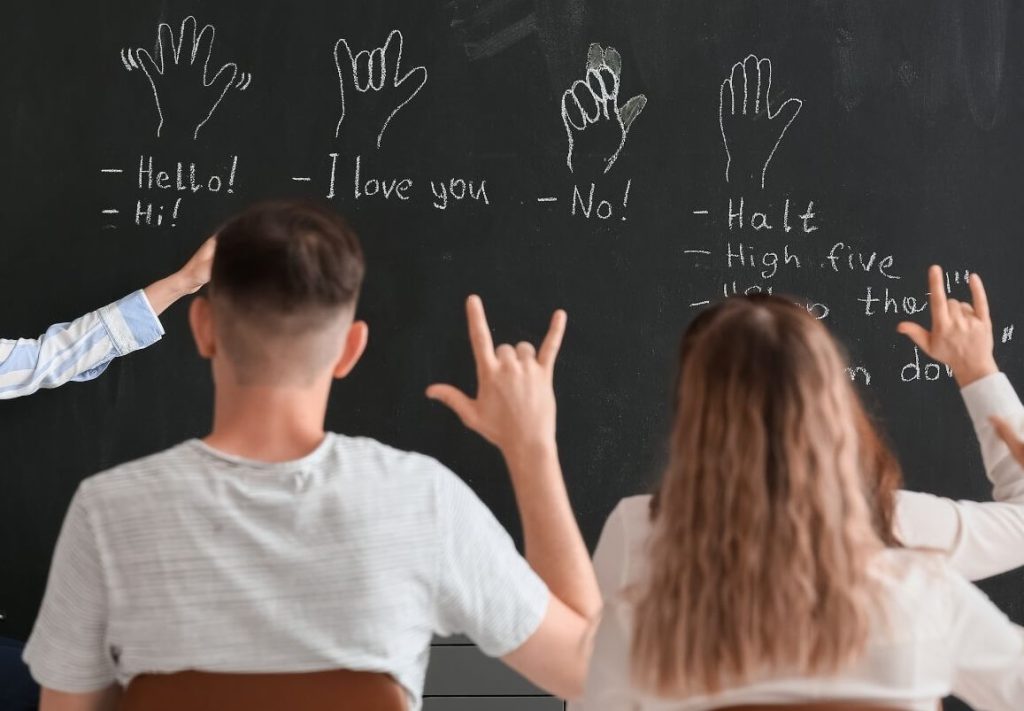
Sign language is a vital means of communication for Deaf and hard-of-hearing communities, promoting inclusivity and connection. Learning sign language not only breaks down communication barriers but also offers cognitive benefits and career opportunities in education, healthcare, and public services. This guide outlines practical steps for learning sign language, highlights its different types, and explains how it fosters stronger social and professional ties.
✅ Importance of sign language for communication and inclusivity
✅ Overview of major sign languages like BSL and ASL
✅ Step-by-step methods for learning and practising sign language
✅ Benefits for brain function, careers, and social skills
✅ Tips for overcoming common learning challenges and advocating for accessibility
Language is a powerful tool that connects people, yet millions around the world face communication barriers due to hearing loss. Learning sign language is an incredible way to bridge this gap, fostering inclusivity and deeper connections within communities. Whether you want to communicate with a Deaf friend or family member, enhance your career opportunities, or simply embrace a new skill, sign language can transform the way you interact with the world.
In this guide, we’ll explore the importance of learning sign language, its benefits, and practical steps to get started. Let’s break down barriers and build connections through the power of sign language.
Why Learning Sign Language is Important
Sign language is not just a means of communication; it’s a cultural and linguistic identity for the Deaf community. Learning sign language helps to:
Promote Inclusivity
By learning sign language, you support and advocate for Deaf and hard-of-hearing individuals. It creates an inclusive society where communication is accessible to all.
Improve Communication with Deaf and Hard of Hearing Individuals
Whether in workplaces, schools, or social settings, knowing sign language ensures effective and respectful communication.
Open Up Career Opportunities
Many professions value sign language skills, including:
- Education (Teaching Assistants, Special Needs Educators)
- Healthcare (Nurses, Doctors, Therapists)
- Customer Service (Retail, Hospitality, Call Centers)
- Public Services (Police, Emergency Responders, Social Workers)
Strengthen Cognitive Abilities
Learning sign language improves memory, visual-spatial awareness, and multitasking. Studies suggest that it enhances brain function just like learning a second spoken language.
Build Meaningful Relationships
By learning sign language, you can connect with Deaf friends, colleagues, or family members, deepening your relationships and understanding of their world.
💡 Tip: Sign language is not universal! Different countries have their own sign languages. For example, British Sign Language (BSL) is used in the UK, while American Sign Language (ASL) is used in the US.

Different Types of Sign Language
There are over 300 different sign languages worldwide. Here are some of the most commonly used:
British Sign Language (BSL)
- The official sign language of the United Kingdom
- Uses two-handed fingerspelling
- Recognized as a distinct language with its own grammar and structure
American Sign Language (ASL)
- Primarily used in the United States and Canada
- One-handed fingerspelling system
- Influenced by French Sign Language (LSF)
Other Popular Sign Languages
- Auslan (Australian Sign Language) – Used in Australia
- LSF (Langue des Signes Française) – French Sign Language
- ISL (Irish Sign Language) – Used in Ireland
- Makaton – A simplified sign system for individuals with communication difficulties
💡 Tip: If you live in the UK, learning BSL (British Sign Language) is the best choice for effective communication.
How to Learn Sign Language: A Step-by-Step Guide
Start with the Basics
Before jumping into advanced signing, begin with:
✔ Fingerspelling – Learn the BSL alphabet to spell out words.
✔ Common Greetings – “Hello,” “Goodbye,” “Thank you,” “Sorry.”
✔ Basic Questions – “What’s your name?”, “How are you?”
Enrol in an Online or In-Person Course
Many platforms offer structured BSL courses:
🏫 British Sign Language Courses – (BSL Levels 1–6)
📱 Apps like Sign BSL, The ASL App
🎓 Online platforms (Udemy, Skillshare, FutureLearn)
Watch Sign Language Videos & Tutorials
YouTube channels like:
- BSL Zone (for British Sign Language)
- Signed Stories (for children and beginners)
Practice with Native Signers
Join Deaf community events, sign language meetups, or online forums to practice regularly.
Use Sign Language in Everyday Conversations
Try incorporating sign language into your daily routine:
✔ Sign with friends, family, or co-workers.
✔ Use it when watching TV with subtitles.
✔ Practice in front of a mirror or record yourself.
💡 Tip: The key to mastering sign language is consistent practice and real-life interaction.

Benefits of Learning Sign Language
Enhances Career Prospects
Many jobs now prefer or require BSL knowledge, particularly in:
- Education & Special Needs Support
- Healthcare & Mental Health Services
- Customer Service & Public Service Roles
Boosts Brain Function
✔ Improves memory, cognitive flexibility, and visual learning.
✔ Helps in multitasking and problem-solving skills.
Strengthens Social and Emotional Skills
✔ Builds confidence in communication.
✔ Encourages cultural awareness and empathy.
Bridges Communication Gaps
✔ Helps connect Deaf and hearing communities.
✔ Reduces the social isolation of Deaf individuals.
💡 Tip: Learning BSL can also be beneficial if you work in childcare or early years education, as many nurseries incorporate sign language to aid children’s communication skills.
Overcoming Challenges in Learning Sign Language
Remembering Signs Can Be Hard at First
- Use flashcards or mobile apps to reinforce learning.
- Watch slow-motion sign videos to understand hand movements.
Finding Practice Partners
- Join BSL meetup groups or online forums.
- Attend Deaf community events or workshops.
Learning Grammar and Sentence Structure
- Sign languages have their own grammar, different from spoken languages.
- Practice signing full sentences rather than isolated words.
💡 Tip: Mistakes are part of learning! The Deaf community appreciates your effort more than perfection.

The Future of Sign Language and Accessibility
As society becomes more inclusive, sign language awareness is growing. More workplaces, public services, and media platforms are incorporating sign language interpretation to ensure accessibility for the Deaf community.
Ways to Advocate for Sign Language Awareness:
✔ Encourage workplaces to offer BSL training.
✔ Support businesses that provide sign language accessibility.
✔ Share resources with friends and family.
✔ Engage in social media campaigns promoting sign language learning.
💡 Tip: Learning sign language is more than just a skill—it’s a step towards creating a more inclusive and understanding world.
Conclusion
Learning sign language is an empowering experience that not only breaks down communication barriers but also strengthens connections between Deaf and hearing individuals. Whether you’re learning for personal, professional, or advocacy reasons, mastering sign language is a valuable skill that enriches lives.
Key Takeaways:
✅ Choose the right sign language (BSL for UK learners).
✅ Start with basics – fingerspelling, greetings, and simple questions.
✅ Use online courses, apps, and YouTube tutorials for structured learning.
✅ Practice with native signers and join Deaf community events.
✅ Be consistent and patient – learning a new language takes time.
💡 Ready to start your journey? Take the first step today and begin learning sign language to make a meaningful impact! 🤟💙